Lamps, textiles, chemicals, electrical appliances… What should you do with special types of waste?
Due to their composition or potential hazards to health and the environment, certain types of waste require specific treatment. These must be taken to one of SIETREM’s five waste collection centres or to authorized retailers. They are then handled in an eco-responsible way by certified eco-organizations.
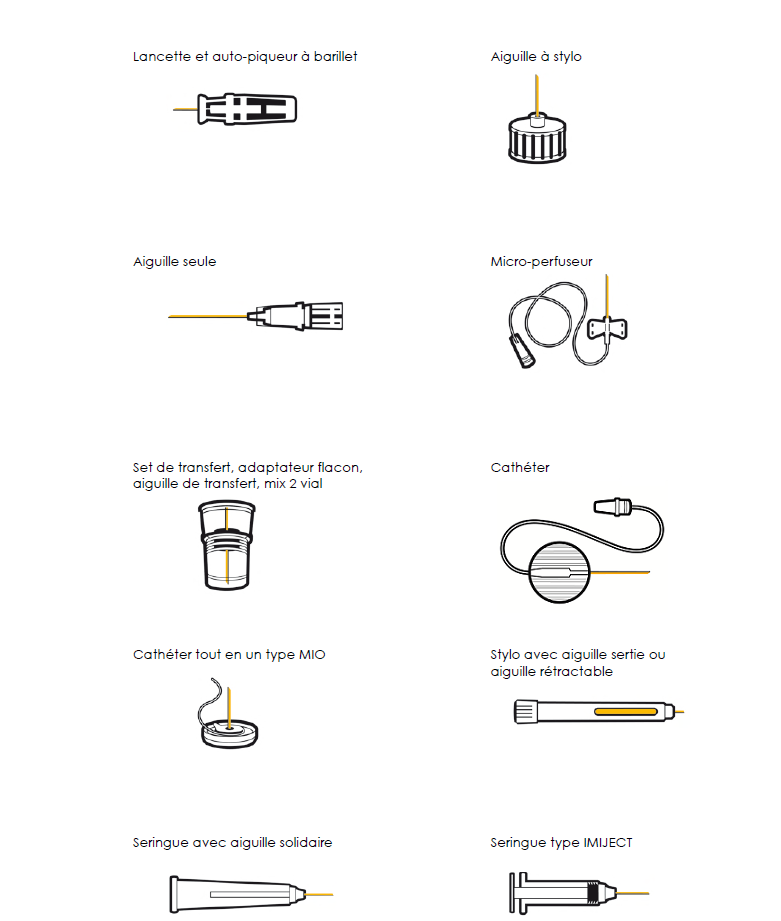
Perforating healthcare waste
Approved eco-organization: DASTRI
Some self-treatment activities generate waste, particularly sharps (e.g. needles). These items must be kept out of household waste and handled separately to prevent accidents during collection.
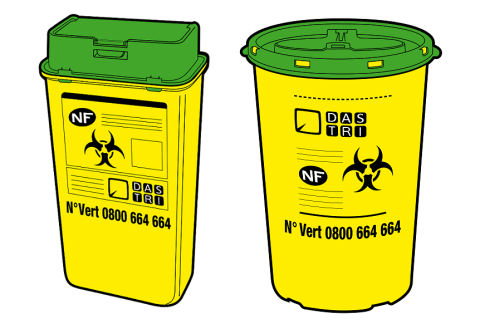
Patients must sort and store them in special needle disposal boxes, which are available free of charge in all pharmacies, upon presentation of a medical prescription.
Once full, the boxes must be dropped off at a certified collection point.
You can find the nearest point on the DASTRI website.
Light Bulbs and Neon Tubes
Approved eco-organization: Ecosystem
What types can be recycled?
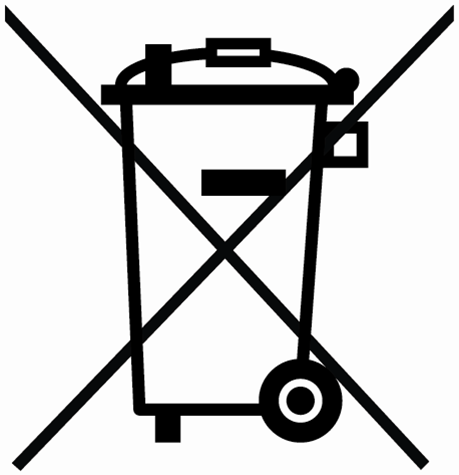
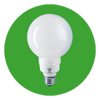
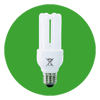
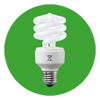
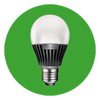
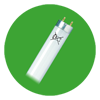
All bulbs and neon tubes displaying the crossed-out wheeled bin symbol are recyclable (e.g. compact fluorescent, LED).
They can be deposited:
In the recycling bins at the waste collection centres
In self-service bins in stores: any retailer selling these products (DIY stores, supermarkets, etc.) is required to take them back, free of charge
Incandescent and halogen bulbs, or neon tubes without the crossed-out symbol, must be disposed of with household waste (garnet-coloured bin).
Examples of recyclable items:
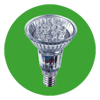
Compact fluorescent bulbs
LED bulbs
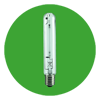
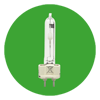
High-pressure sodium bulbs, iodide bulbs …
Waste Electrical and Electronic Equipment (WEEE)
Approved eco-organization: Ecologic
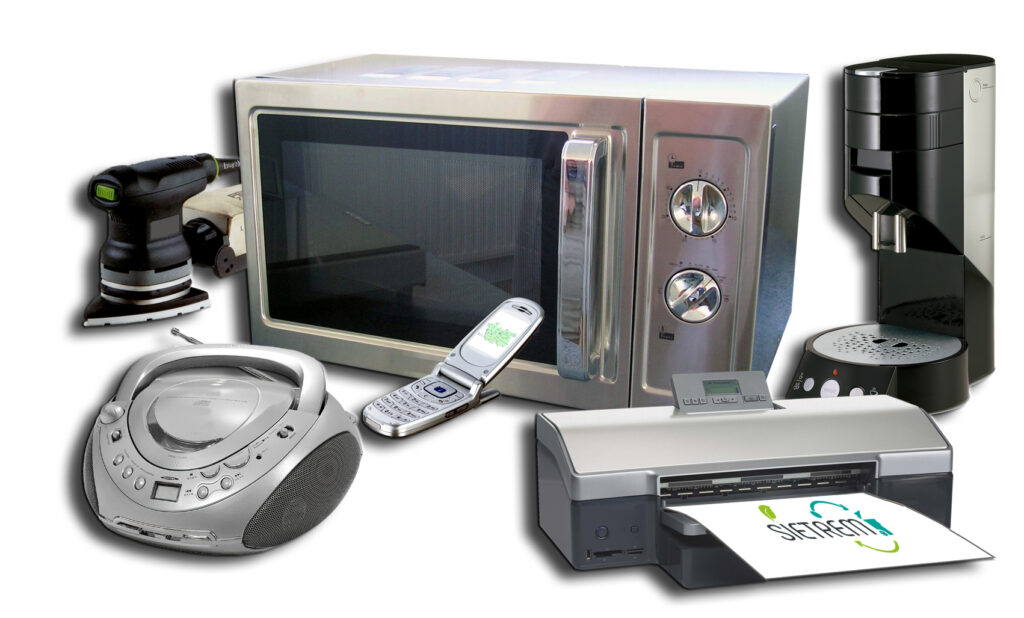
WEEE includes all devices powered by electricity or electromagnetic fields that have reached end of life (TVs, coffee makers, irons, hairdryers…).
Why recycle them?
These items often contain hazardous substances (batteries, mercury, greenhouse gases…) and are classified as dangerous waste. They also offer a high recovery potential thanks to valuable materials (metals, rare earths, plastics…).
Where can you drop off your WEEE?
There are three ways of collecting electrical waste from households:
Donation to an association (ressourcerie, recyclerie…). Many associations collect and recycle waste. To help you identify them, the Ile-de-France region publishes an online reuse directory listing these organizations: www.recup-id.fr.
In-store drop-off as part of the “1 for 1” and “1 for 0” collection schemes. The French Environment Code sets out the “1 for 1” take-back obligation. In other words, the obligation to take back used electrical and electronic equipment (EEE) free of charge when a household EEE is sold (thanks to the eco-participation which finances the recycling of these appliances). However, it now stipulates that consumers can dispose of small items of equipment, with external dimensions of less than 25 cm, free of charge and without obligation to purchase, in stores with a surface area of over 400 m2 dedicated to the sale of EEE. This is known as the “one-for-zero” take-back obligation.
Drop-off
Used batteries and small cells
Approved eco-organization: Ecosystem
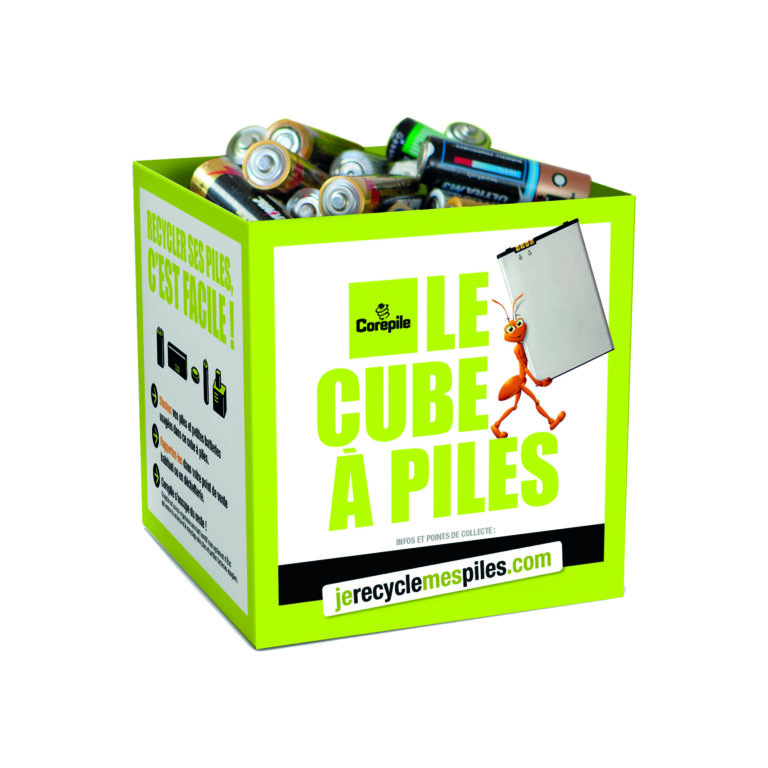
Used batteries are collected and processed by Ecosystem.
You can drop them off at any of SIETREM’s centres or in the battery bins distributed across the area.
Recycling helps recover 50% to 80% of the metals, which can then be reused to manufacture new items: cutlery, license plates, batteries, screws…
Once collected, batteries are sent to a centre in Dugny (Seine-Saint-Denis), then to a specialized sorting facility in Spain for treatment.
As part of the French Anti-Waste and Circular Economy Act (AGEC), SIETREM has signed an agreement with the Ecologic eco-organization for the take-back of sports and leisure articles and thermal DIY and garden items. Since the beginning of 2023, new containers have been installed at the SIETREM’s 5 waste collection centers to collect these items and give them a second life.
Sports and Leisure Equipment
Approved eco-organization: Ecologic
This applies to all items used in sports or outdoor leisure activities, such as :
Cycling and mobility products, protections and accessories
Outdoor leisure products
Ball and racket sports products
Items for water sports
Non-electric fitness equipment
Please note that electronic and electrical sports equipment, textiles and footwear (not intended for sports and leisure activities) do not fall into this category, and should be disposed of at other dedicated outlets.
Please note that electronic and electrical sports equipment, textiles and footwear (not intended for sports and leisure activities) do not fall into this category, and should be disposed of at other dedicated outlets.
Thermal DIY and Garden Tools
Approved eco-organization: Ecologic
This includes all fuel-powered DIY or gardening tools used by private individuals, such as: Lawnmowers (towed/self-propelled), leaf blowers, brush cutters, edgers, tillers, hedge trimmers, chainsaws, pumps, cement mixers… including their accessories.
Home Furnishings, Non-Electric Toys, DIY and Garden Items
Approved eco-organization: EcoMaison
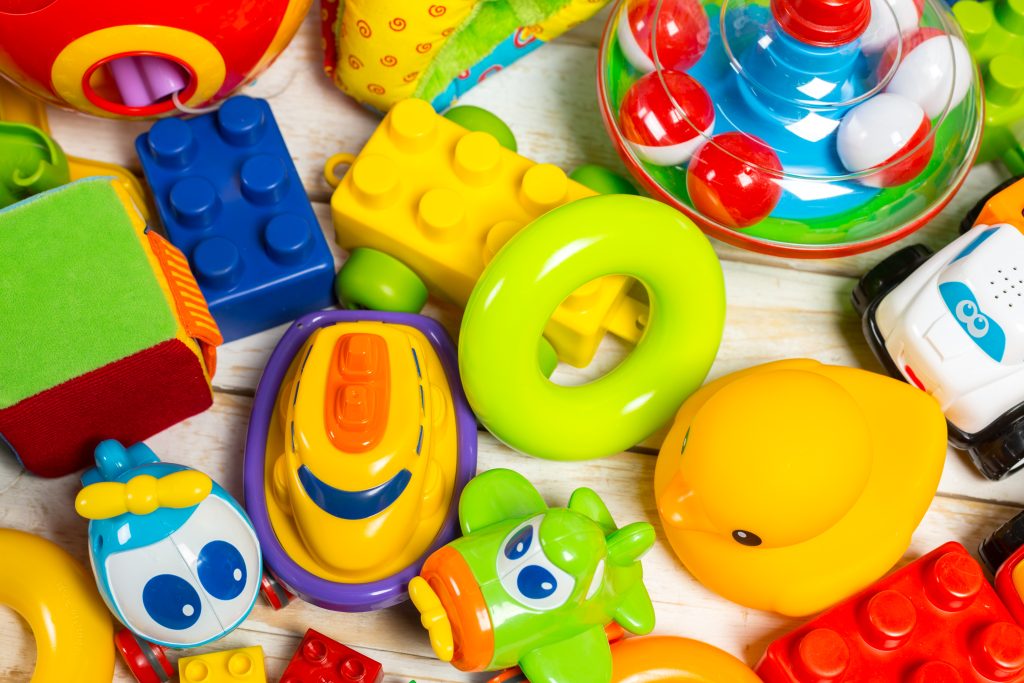
Thanks to Écomaison, these specific items can be collected and recycled in the right channels. Dedicated containers are available for easy disposal at waste collection centers. Écomaison, an approved eco-organization, supports the sorting and recovery of these products to preserve resources and limit waste.
The second life of these items
Items in good condition or that can be repaired will be overhauled and reused by players in the social economy. Donations will be made to associations, or they will be resold at low prices in recycling centers and “ressourceries”. Items that are too worn out will be recovered and recycled into new products, depending on the condition of their materials. If this is not possible, they will be converted into energy by incineration.
Textiles, household linen and footwear
Approved eco-organization: Refashion
Even used clothing, household linen and shoes can be transformed and recycled. Yarn for new clothes, insulating materials, coatings for sports equipment… there are many possibilities.
To give them a second life, drop off your used textiles at one of SIETREM’s 5 waste collection centers or at a special drop-off point.
Find your nearest voluntary drop-off point on refashion.fr
Chemical waste and painter's items
Approved eco-organization: Eco DDS
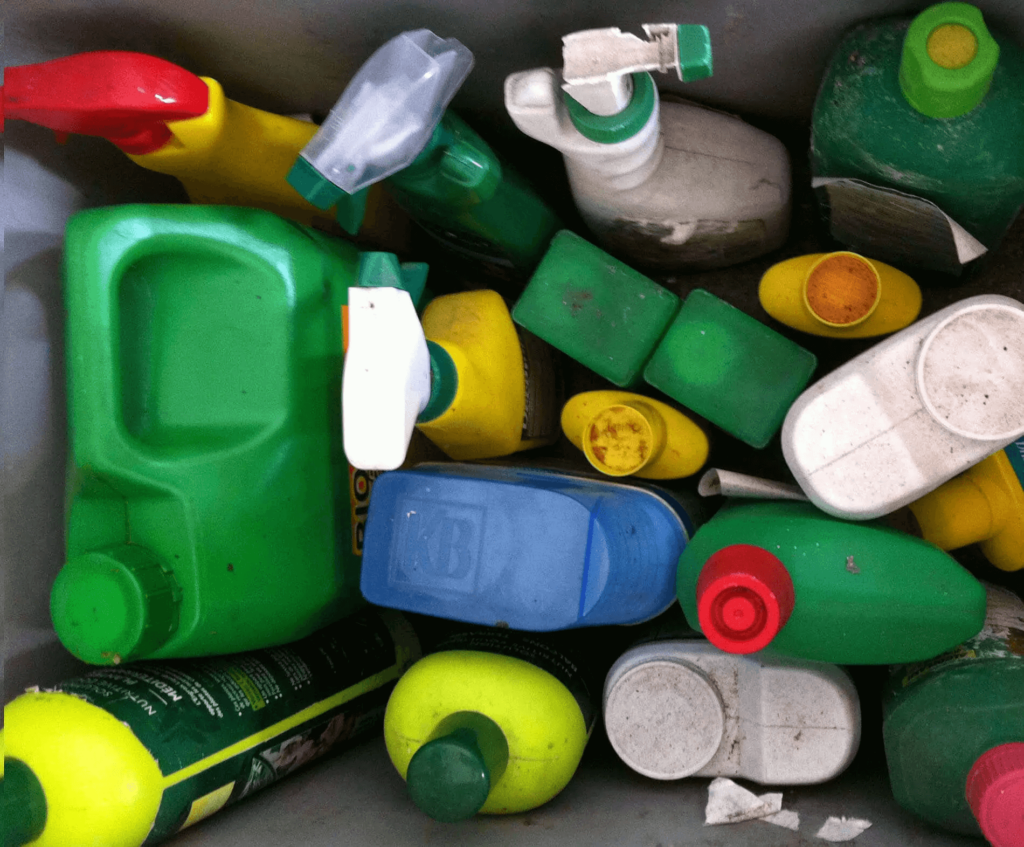
Cleaning, gardening or DIY products and used painter’s tools must not be thrown in household or recycling bins due to potential health and environmental hazards.
Take them to your local SIETREM centre, where they will be collected and treated responsibly by EcoDDS.
Waste oils
Approved eco-organization: Cyclevia
Used motor and cooking oils are highly polluting and considered hazardous waste.
They can be dropped off at any of SIETREM’s centres in the dedicated collection terminal.
Once full, the terminal is emptied by Cyclevia, who ensures responsible treatment and recycling.
Rubble
Approved eco-organization: Écominéro
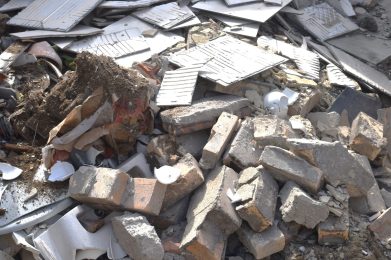
Rubble is now recycled by the eco-organization Écominéro.
Please drop them off at one of SIETREM’s 5 waste collection centers, where a skip is available.
Plaster
Approved eco-organization: Valobat
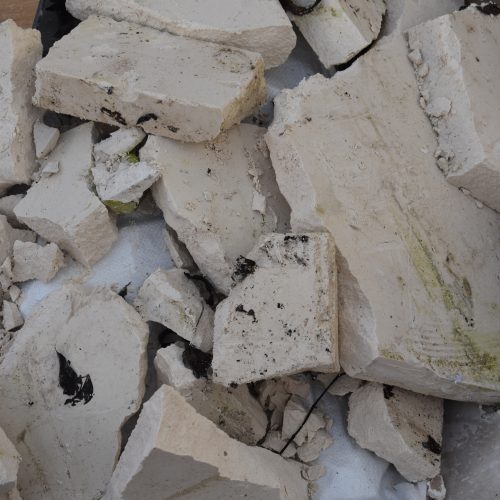
Plaster, which was previously buried in landfill sites, now benefits from its own processing chain, enabling it to be reused in a virtuous way. Taken in charge by the Valobat eco-organization, the pieces of plaster deposited at waste collection centers will be crushed, shredded and screened (to remove the paper). Mechanical treatment will produce gypsum powder, which will be reused in the manufacture of new plasterboard.